PRODUCT DESIGN · UX RESEARCH · UI
Redesigning the digital car-buying journey around user needs.
Using research, usability testing and experimentation to improve key CarGiant customer journeys.
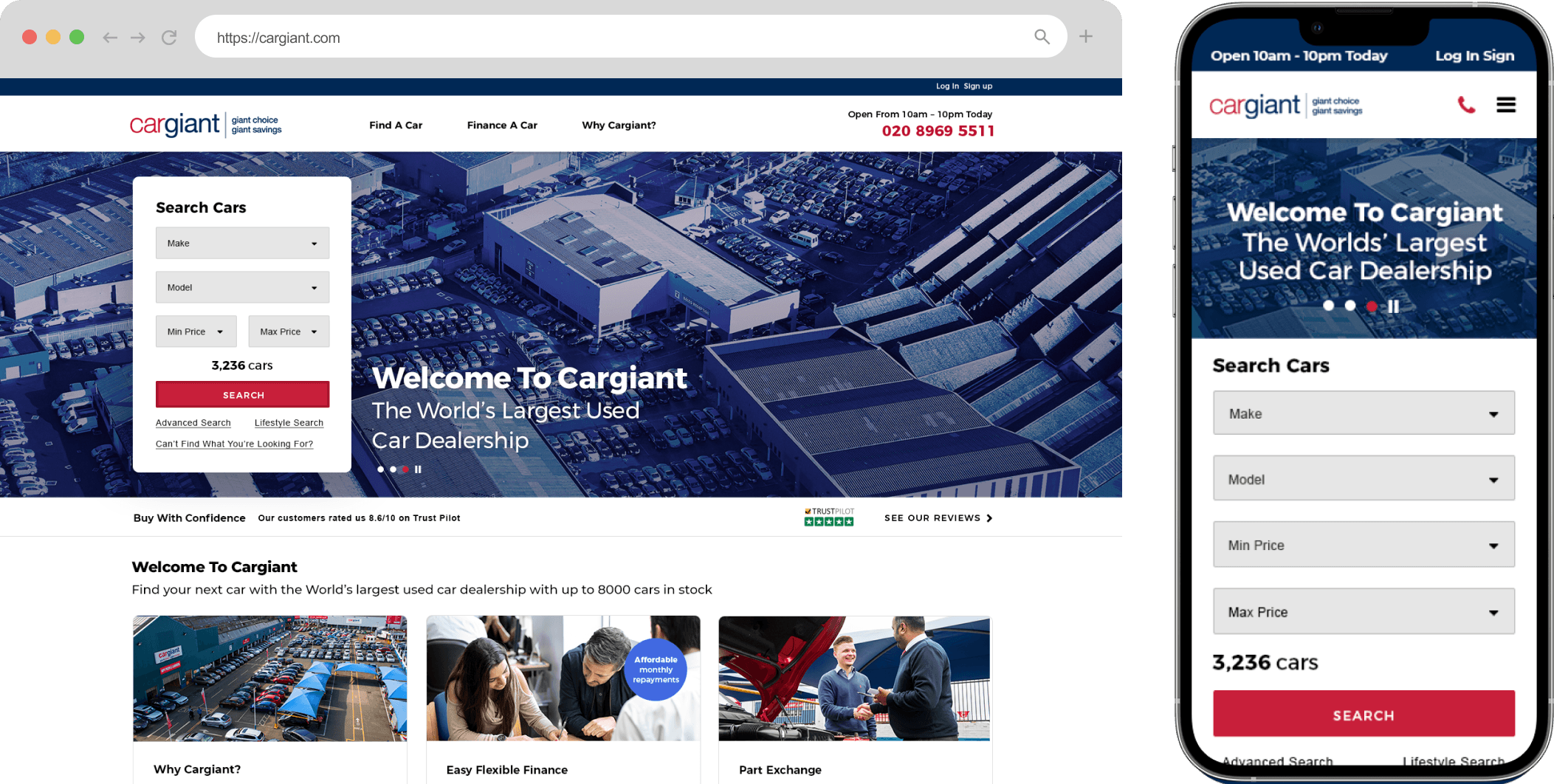
OVERVIEW
From visual redesign to experience optimisation.
Following the launch of a new website, CarGiant identified a decline in return on investment and began investigating potential causes.
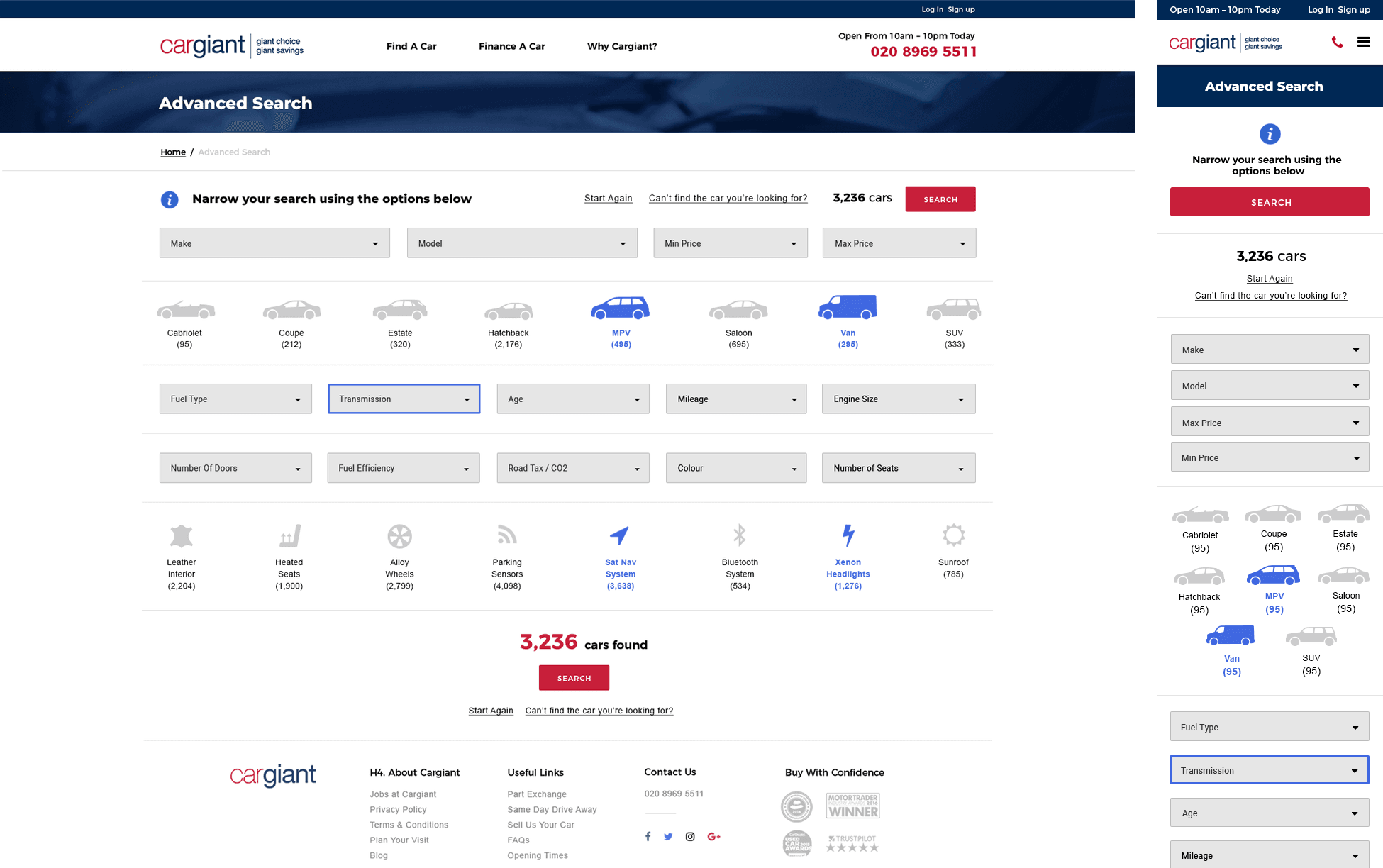
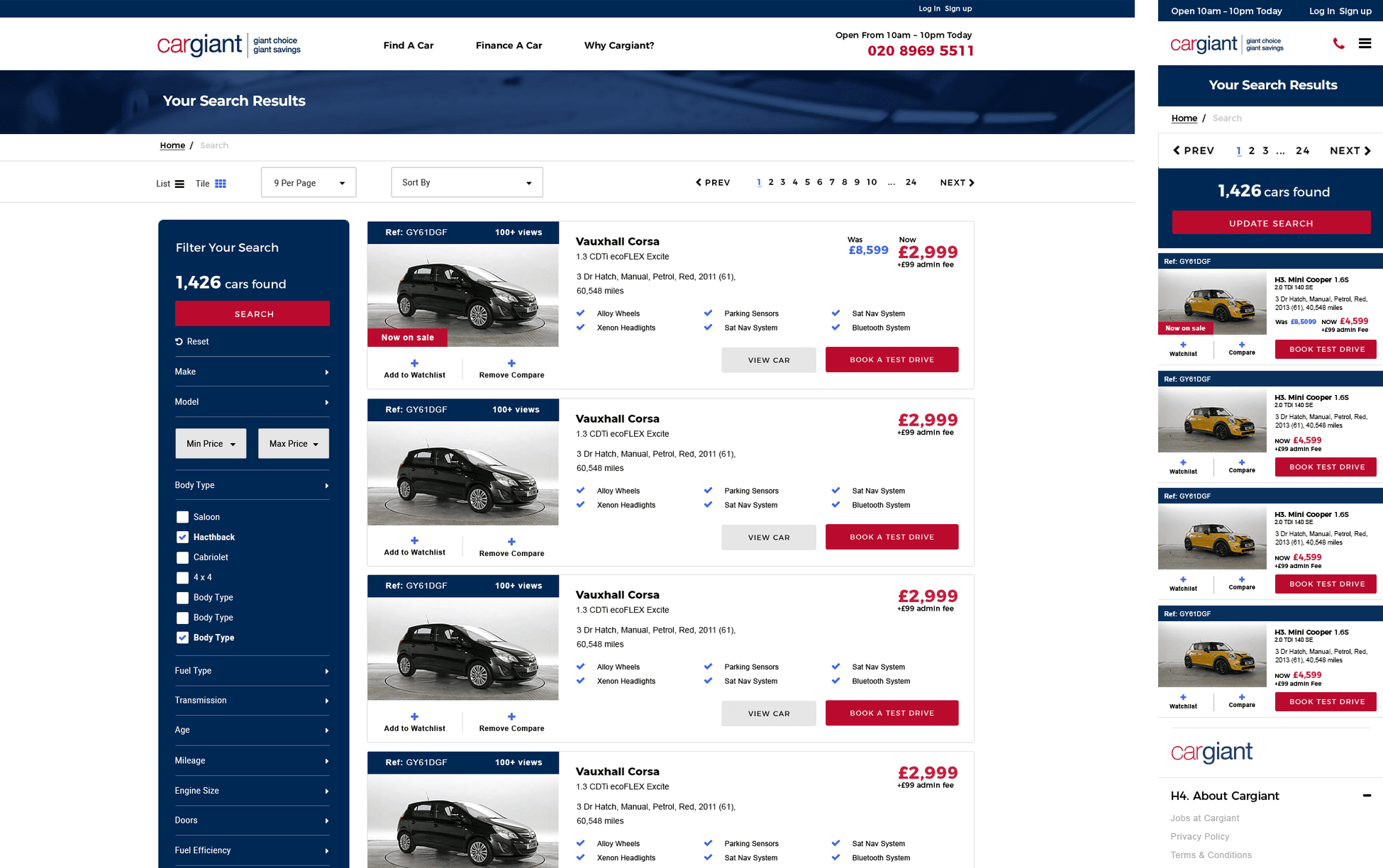
Research and design activity focused particularly on the vehicle search, finance and test-drive journeys.
As Senior Graphic Designer, I worked with stakeholders and the Marketing Director to evolve the brand and redesign the digital experience using research and testing.
01 - THE CHALLENGE
Understanding why the experience was not performing as expected.
Brand perception
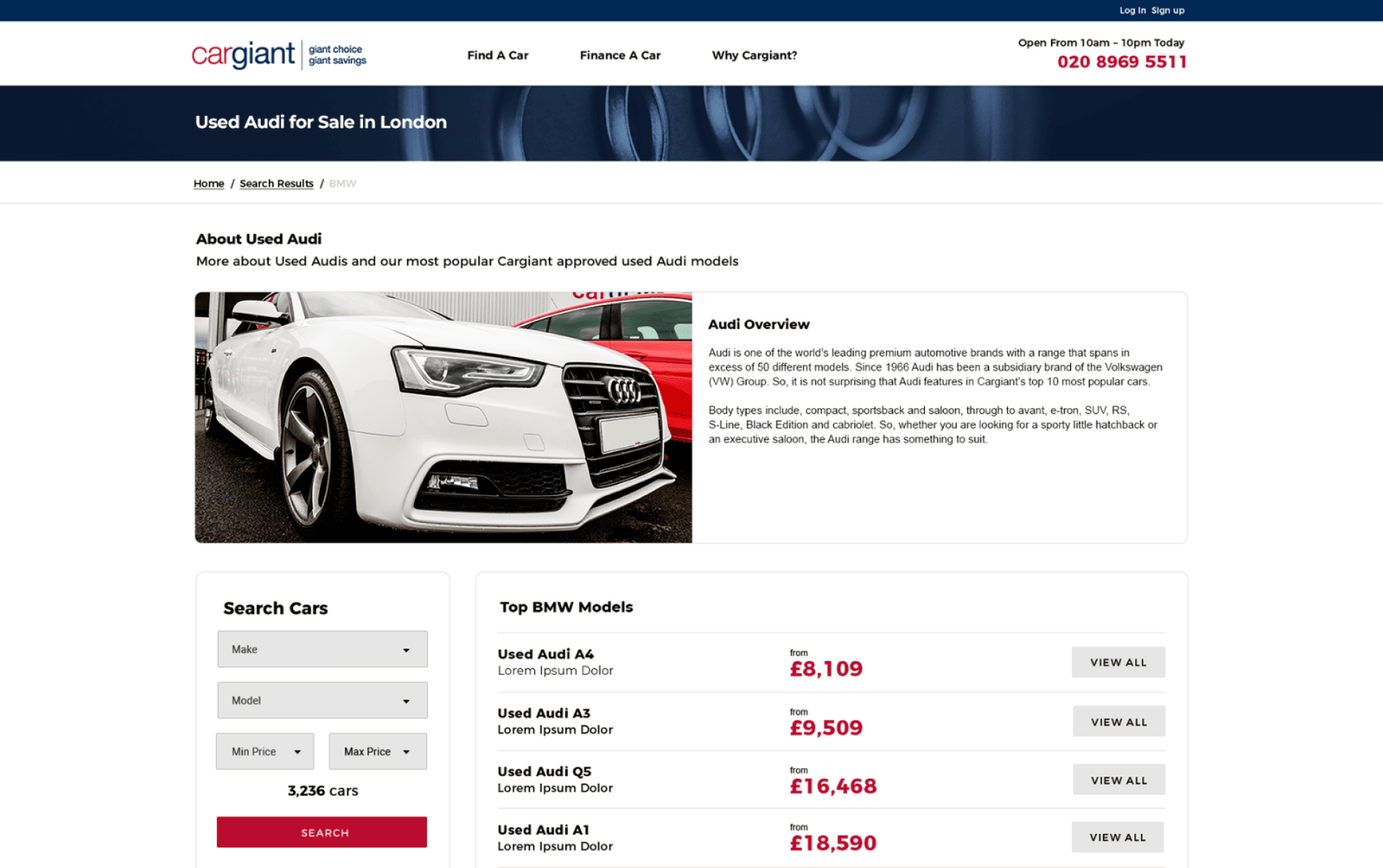
The updated design did not fully communicate the intended CarGiant brand proposition.
Finance journey
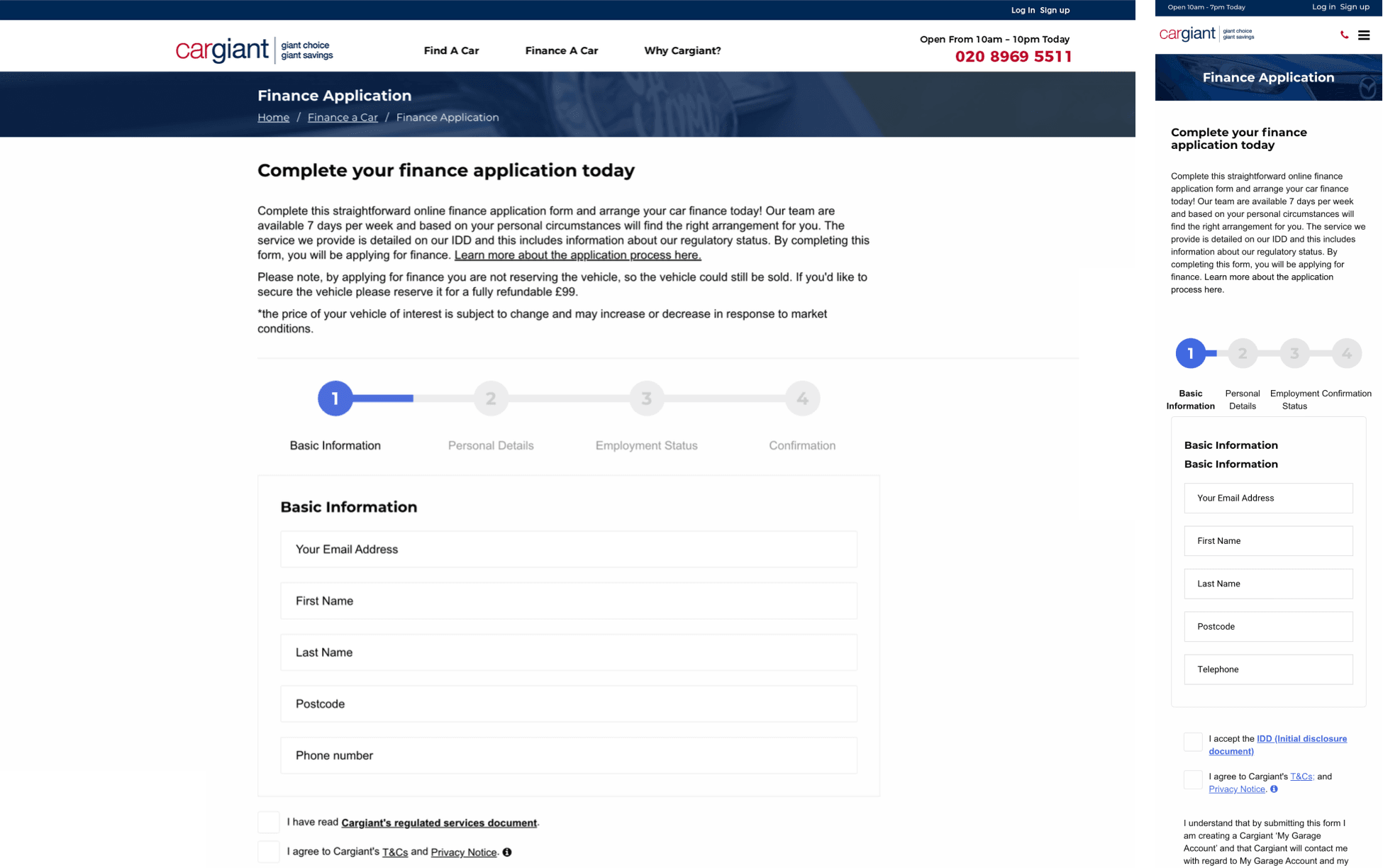
The finance application experience was creating unnecessary friction.
Search journey
Finding and refining vehicle searches was not as straightforward as it could be.
02 - BUSINESS RESEARCH
Starting with what the business already knew.
Kick-off workshops
I met with stakeholders to understand what was already known about the problem and what had previously been explored.
These discussions provided insight into potential market threats and opportunities affecting the customer experience.
Design review
I reviewed the existing experience to understand the team's vision, potential design opportunities and work already undertaken.
03 – USER RESEARCH
Understanding customers, behaviours and attitudes.
Interviews
Explored user goals, behaviours, attitudes and expectations.
Ethnography
Observed customers in their environments to understand buying behaviours.
Usability testing
Observed customers using the existing experience to identify points of friction.
A/B testing
Tested specific interface decisions and their effect on user behaviour.
04 – EXPERIMENTATION
Testing the search experience rather than relying on assumptions.
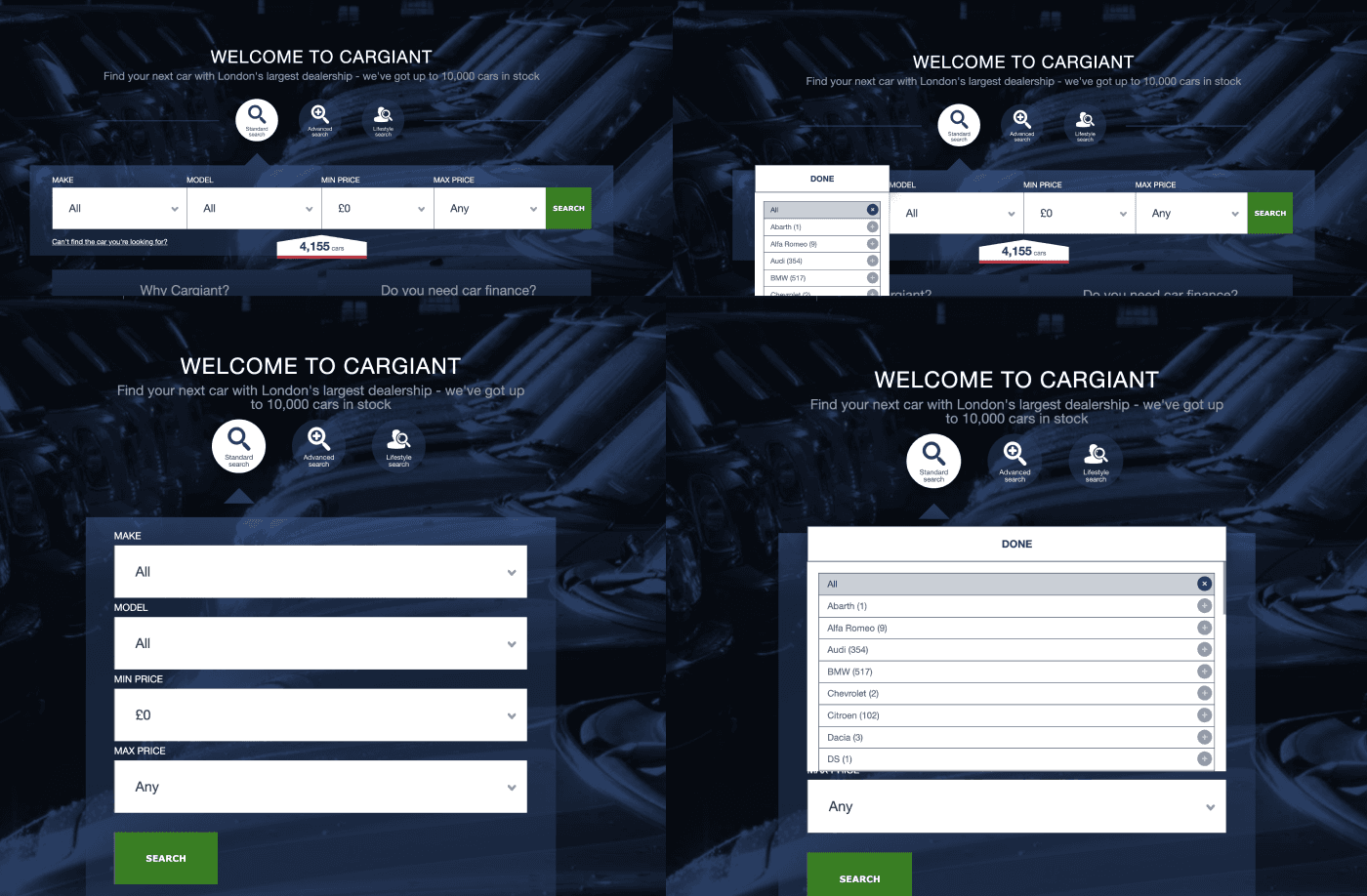
Horizontal vs vertical
An A/B test compared alternative search form layouts to understand how layout, hierarchy and positioning affected the customer journey.
Testing indicated that users preferred the vertical form layout.
05 – HYPOTHESES
Turning research findings into design hypotheses.
Brand value
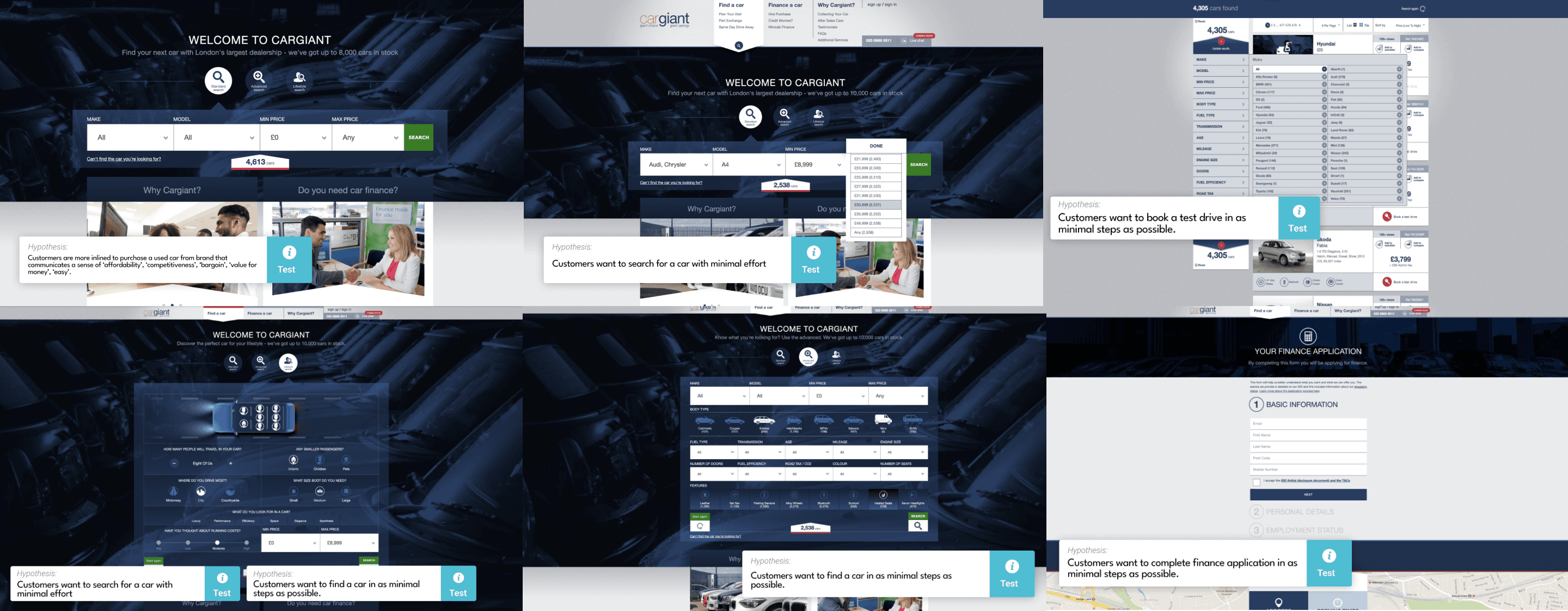
Customers prefer a brand that communicates affordability, ease and value for money.
Finance
Customers want to complete finance applications in as few steps as possible.
Search
Customers want to search with minimal effort.
Discovery
Customers want to find suitable vehicles quickly.
Test drive
Customers want to book test drives with minimal effort.
06 – DESIGN STRATEGY
Redesigning the journey, not just the pages.
The research suggested that several problems were connected to friction within the customer journey.
Search
Discover
Evaluate
Finance
Test drive
Purchase
07 – DESIGN DELIVERY
Moving from research into validated interface concepts.
Initial concepts were presented to stakeholders and iterated before prototypes were tested with key user groups.
Research
Hypotheses
Concepts
Prototype
Test
Iterate
10 – BRAND EVOLUTION
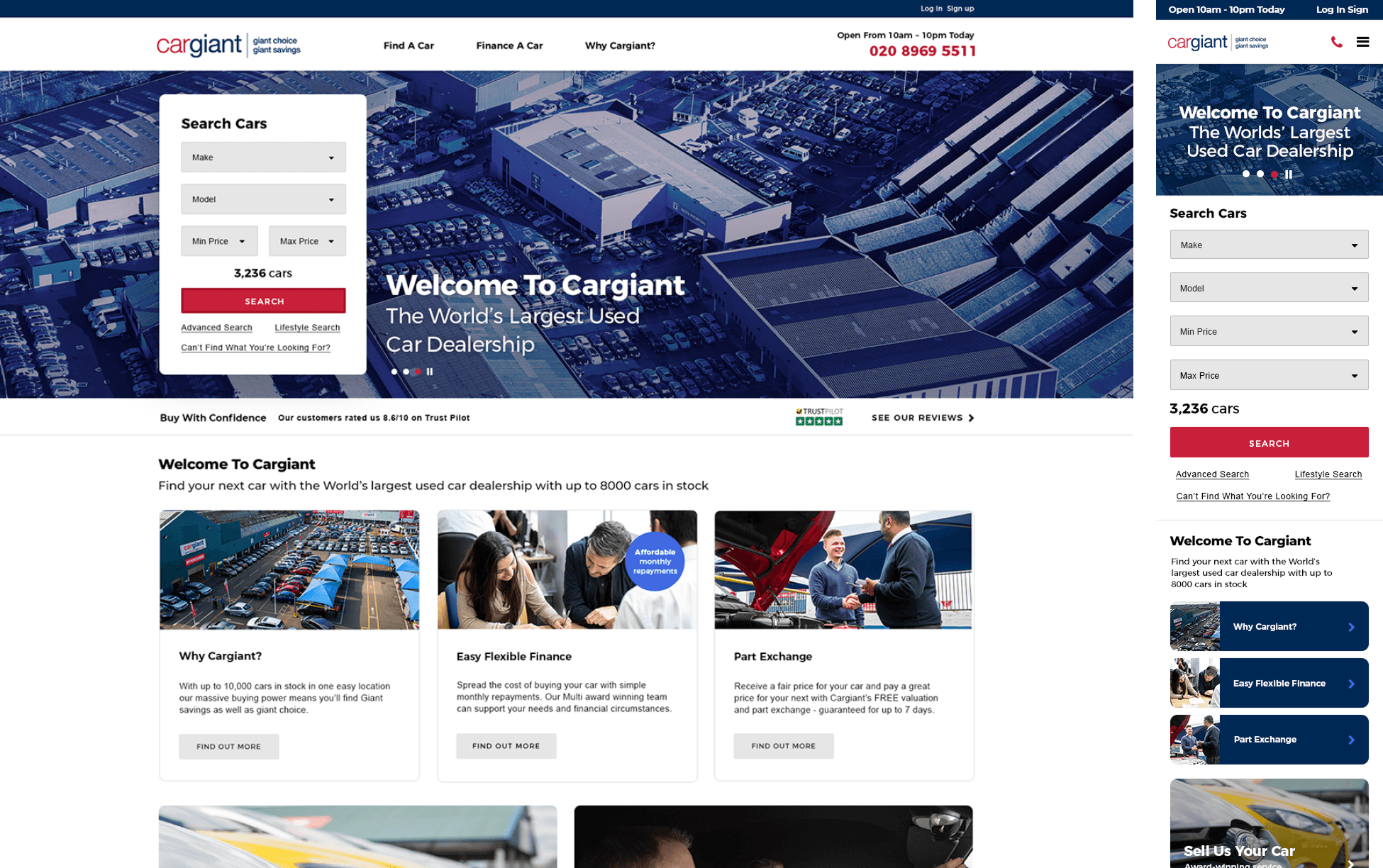
Evolving the visual identity without losing recognition.
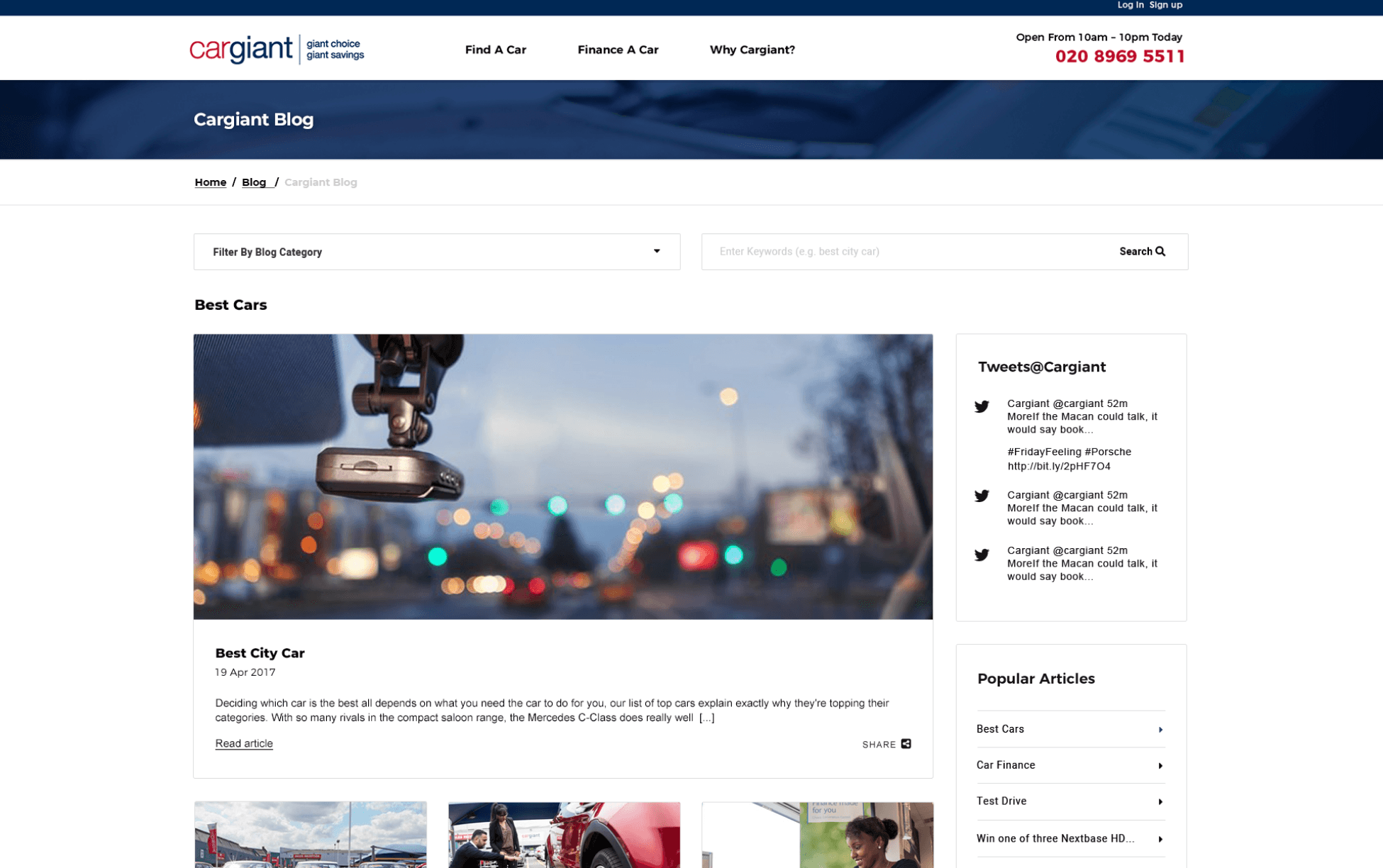
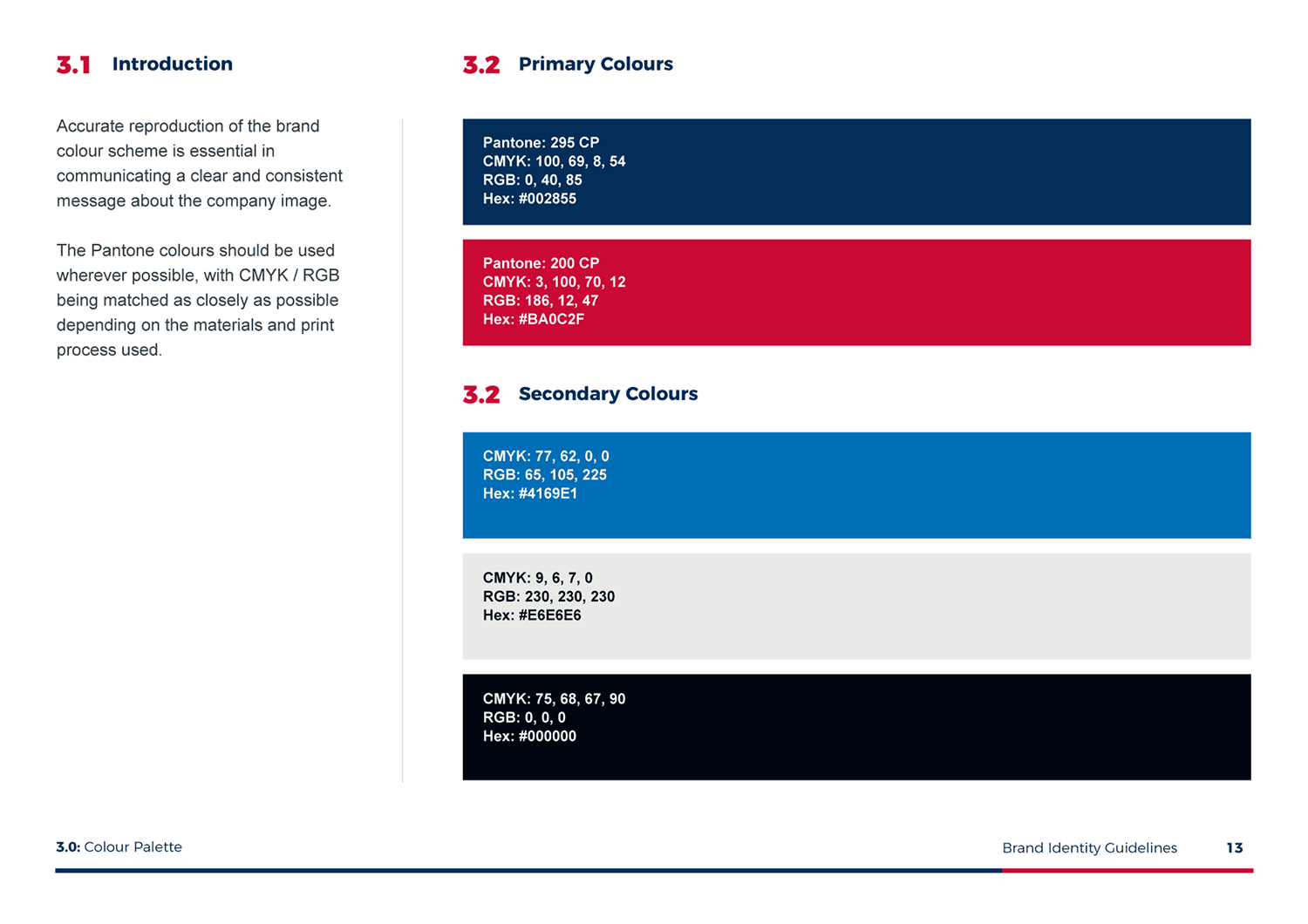
The visual language was refined to create a more consistent digital experience while retaining recognisable CarGiant brand characteristics.
11 – ACCESSIBILITY
Designing for different users, devices and contexts.
Typography
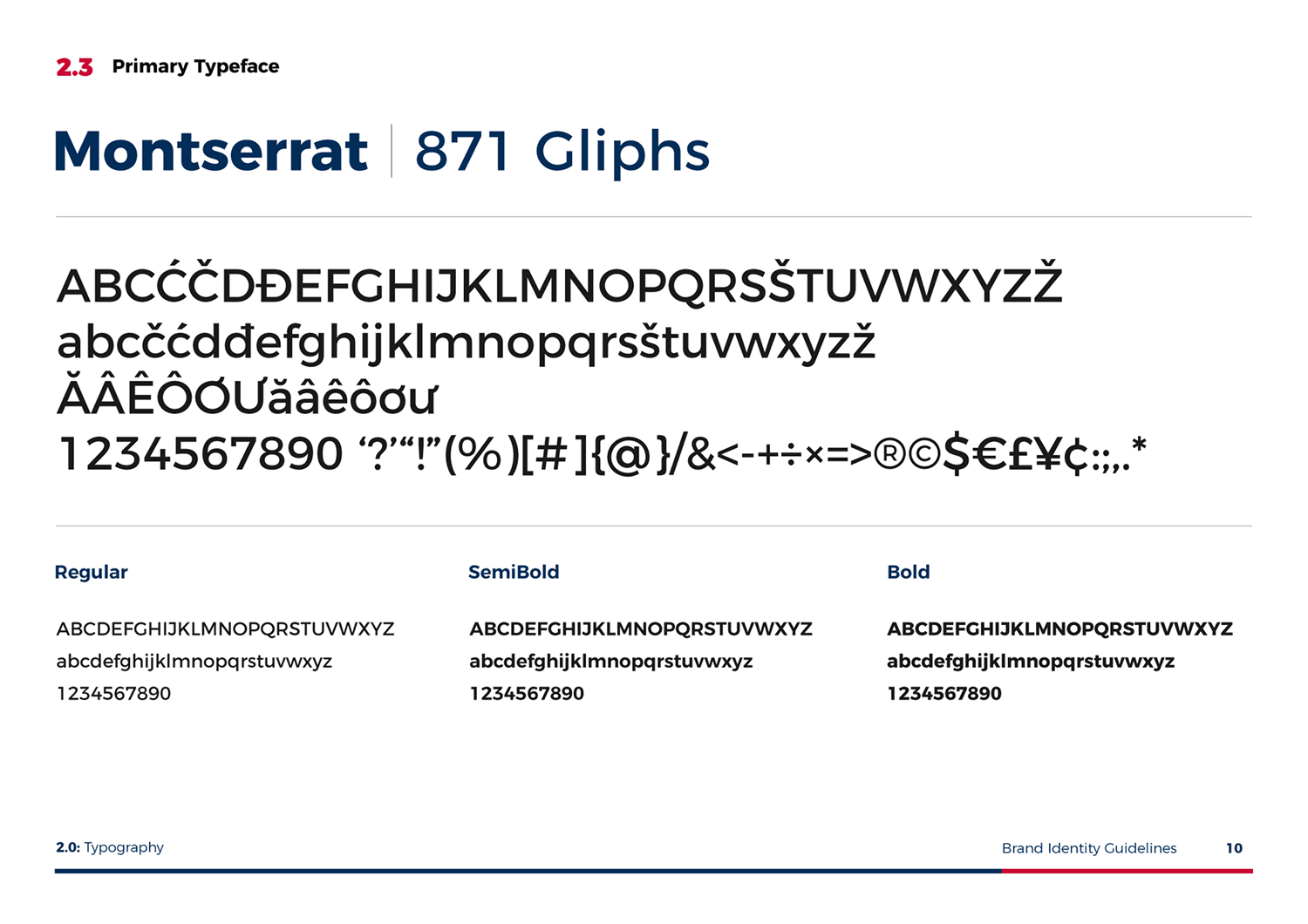
Clear sizing and hierarchy supporting readability.
Contrast
Foreground and background combinations considered for readability.
Responsive
Designs adapted across desktop, tablet and mobile.
Navigation
Clear information hierarchy and keyboard-friendly interaction patterns.
12 – DESIGN HANDOFF
Bridging design and engineering.
Before handoff, I provided the engineering team with the necessary design files and supporting documentation.
I also provided frontend development support to backend-focused developers where required.
Collaboration
Working across design and development helped bridge communication between technical and non-technical teams and maintain alignment throughout delivery.
13 – OUTCOME
A research-informed redesign focused on customer journeys.
Research
Combined stakeholder knowledge, interviews, ethnography and usability testing.
Experimentation
Used A/B testing to validate specific interface decisions.
UX
Redesigned key search, finance and customer journeys.
Brand
Evolved the visual identity while retaining recognisable characteristics.
14 – REFLECTION
Improving the journey rather than simply redesigning the interface.
The CarGiant project demonstrated the value of combining visual design with research, experimentation and interaction design. Investigating the underlying customer journey provided a stronger foundation for design decisions than visual redesign alone.